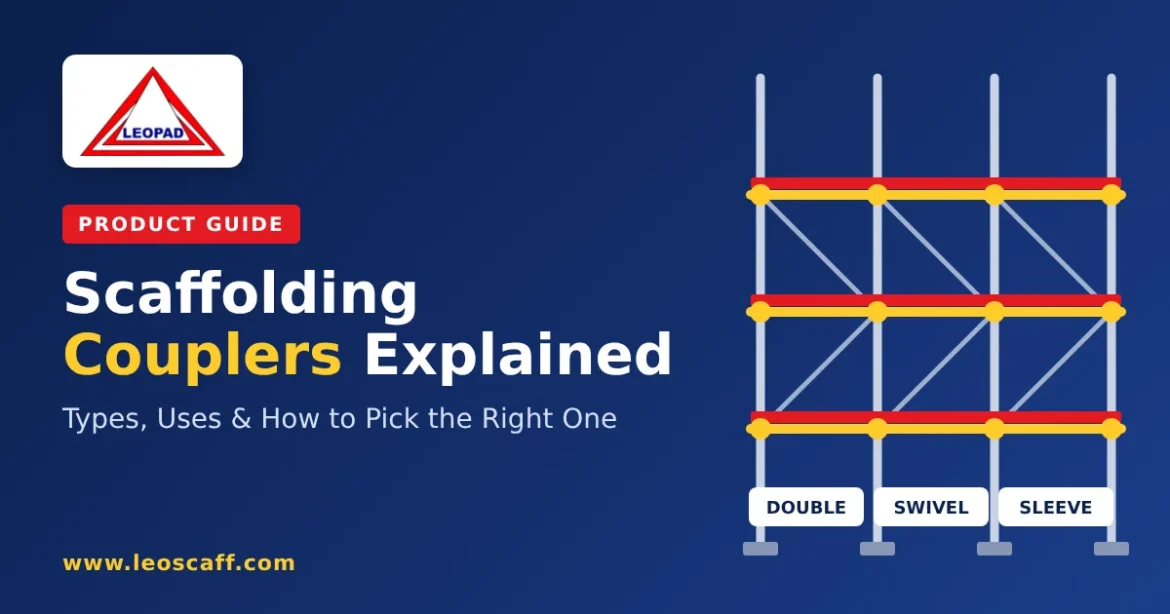
A small scaffolding component can make a big difference to the stability of a construction structure. Choosing the wrong fitting may lead to loose connections, alignment issues, and safety risks on site. Scaffolding Couplers help connect tubes securely, but each type serves a different purpose.
Understanding their uses, material quality, and load requirements helps contractors select the right options for their projects. This guide explains the main coupler types, their applications, and the key factors to consider before buying from a reliable supplier.
Understand How Scaffolding Couplers Work
Couplers are mechanical fittings used to connect scaffolding tubes and secure different parts of a scaffold framework. They help hold tubes in position, maintain the required structure, and support the overall stability of the scaffolding system.
When selecting Scaffolding Couplers, consider the connection type, tube diameter, material quality, and intended application. For example, a scaffolding girder coupler is designed for specific connections involving structural steel sections and scaffolding tubes, depending on its design and approved use.
Using the wrong fitting can lead to loose connections, poor alignment, or reduced structural stability. Always check the manufacturer’s specifications and ensure the selected coupler is suitable for the intended load and application.
Learn About the Main Types of Scaffolding Couplers
Different couplers serve different purposes. Knowing their functions helps contractors, builders, and scaffolding professionals choose the right fittings for each project.
1. Right-Angle Couplers
Right-angle couplers, also called double couplers, connect two scaffolding tubes at 90-degree angles. They are commonly used to join standards and ledgers in traditional tube-and-coupler scaffolding.
Their main uses include:
- Connecting horizontal and vertical tubes.
- Maintaining the framework’s required shape.
- Supporting properly designed scaffolding arrangements.
Choose couplers that match the tube dimensions and meet the applicable safety requirements. Pressed-steel options such as the JIS pressed double coupler are also available for compatible systems.
2. Swivel Couplers
Swivel couplers connect two tubes at different angles. Their rotating design makes them useful when a fixed 90-degree connection is unsuitable.
Common applications include diagonal bracing and connections where the scaffold layout requires angled tubes. Before installation, check that the coupler locks securely and is approved for the intended connection.
3. Putlog Couplers
Putlog couplers are used to connect putlogs or transoms to ledgers in compatible scaffolding arrangements. They help support the working platform when used as part of an appropriately designed system.
Their suitability depends on the scaffold configuration and the manufacturer’s specifications. Do not use them as substitutes for structural couplers unless the application is specifically approved.
4. Sleeve Couplers
Sleeve couplers connect two scaffolding tubes end to end. They are useful when a continuous tube length is needed for a suitable scaffolding arrangement.
The connection must provide the required joint strength and alignment. Use the correct sleeve type and follow the specified installation procedure.
5. Girder Couplers
Girder couplers are designed for approved connections between scaffolding tubes and structural steel sections. They may be used where a scaffold needs to connect to a suitable steel beam or girder.
Check the fitting’s rated capacity, compatibility, and permitted installation method before use. Structural connections must be designed and approved for the intended loads rather than selected by appearance alone.
Check Which Couplers Suit Your Scaffolding Application
The right coupler depends on the task, the scaffold design, and the components being connected. A fitting that works for one connection may not be suitable for another.
Consider these common applications when selecting accessories:
- Tube connections: Use compatible fittings to join horizontal, vertical, and diagonal tubes.
- Angled bracing: Choose an approved swivel coupler when tubes need to meet at an angle.
- Tube extensions: Use a suitable sleeve coupler to connect tube ends.
- Platform support: Select approved fittings designed for the relevant transom or putlog arrangement.
- Specialized connections: Confirm that any connection to structural steel or other components is specifically permitted.
For platform protection, a scaffolding board retaining coupler can help secure compatible boards or retaining components in approved arrangements. Always verify the product’s intended purpose before installation.
Evaluate Material Quality and Safety Before Buying
Material quality directly affects how well a coupler performs under site conditions. Construction projects expose fittings to repeated handling, outdoor weather, dust, moisture, and mechanical wear.
Before purchasing, review the following points:
- Material and finish: Check the material, corrosion protection, and suitability for the working environment.
- Dimensions: Confirm compatibility with the scaffolding tubes and connected components.
- Load ratings: Review the manufacturer’s stated capacity and approved applications.
- Manufacturing quality: Look for consistent dimensions, secure locking mechanisms, and properly finished surfaces.
- Inspection requirements: Ensure the couplers can be checked for damage, deformation, corrosion, and worn threads.
Steel pipe clamps and scaffolding couplers may look similar, but their applications and load capacities can differ. Never assume a general-purpose clamp is suitable for load-bearing scaffolding connections.
Damaged, bent, cracked, or heavily corroded fittings should be removed from service. Follow applicable workplace safety rules and manufacturer guidance when inspecting and replacing components.
Choose the Right Couplers for Your Project
Selecting couplers becomes easier when you evaluate the project requirements before placing an order. This approach also helps avoid purchasing incompatible fittings or unnecessary accessories.
Use this checklist when comparing available products:
- Identify the scaffold design: Understand the layout and the connections required for the structure.
- Confirm tube dimensions: Check the outside diameter and compatibility of every connected component.
- Determine the connection type: Decide whether you need a right-angle, swivel, sleeve, or another approved coupler.
- Review load requirements: Confirm that the fitting is suitable for the intended forces and application.
- Check applicable standards: Verify the required product certifications and compliance documentation.
- Inspect the finish: Consider corrosion resistance and durability for the project environment.
- Compare suppliers: Review product specifications, availability, delivery schedules, and pricing. Our guide to the top scaffolding companies in UAE can help you build a shortlist.
A scaffolding toe board clamp may also be required where the scaffold design calls for securing toe boards to help prevent tools and materials from falling from the platform. Choose a compatible product designed for that purpose and install it according to the manufacturer’s instructions.
Work With a Supplier That Understands Your Requirements
A reliable supplier should help you identify suitable fittings based on your scaffold design, tube sizes, and project needs. Clear product information makes it easier to compare options and order the correct quantities.
When evaluating a supplier, look for:
- A suitable range of scaffolding fittings and accessories.
- Clear technical specifications and product information.
- Guidance on compatibility and approved applications.
- Consistent product availability and dependable delivery.
- Responsive support for construction and industrial requirements.
At Leopad Dubai LLC, customers can discuss their scaffolding requirements and compare suitable products for their projects. Confirm the specifications and availability of each fitting before ordering to ensure it meets your site’s requirements.
Make a Confident Choice for Your Next Project
Selecting suitable fittings starts with understanding the scaffold design, connection requirements, and product specifications. Compare materials, dimensions, load ratings, and supplier support before making a purchase.
With the right components and proper installation, Scaffolding Couplers can help create secure connections within a correctly designed and inspected scaffold system.
Contact Leopad Dubai LLC to discuss your project requirements and identify suitable scaffolding products.
Key Takeaways
- Choose couplers based on the scaffold design, tube dimensions, and connection requirements.
- Use right-angle couplers for 90-degree connections and swivel couplers for angled connections.
- Check material quality, load ratings, corrosion resistance, and product specifications before purchasing.
- Inspect couplers regularly and remove damaged or worn fittings from service.
- Compare supplier experience, product availability, technical support, and delivery terms before ordering.
Frequently Asked Questions
What are scaffolding couplers used for?
They connect scaffolding tubes and help maintain the required framework. The correct type depends on the connection, scaffold design, and intended application.
What is the difference between a right-angle and a swivel coupler?
A right-angle coupler connects two compatible tubes at 90 degrees. A swivel coupler allows tubes to connect at different angles for suitable applications.
How do I choose the correct coupler size?
Check the tube’s outside diameter and compare it with the manufacturer’s product specifications. Both connected components must be compatible with the fitting.
How often should scaffolding couplers be inspected?
Inspect them before use and as required by the site’s inspection procedures. Remove damaged or deteriorated fittings from service and follow applicable safety regulations.
Can all scaffolding couplers support the same load?
No. Load capacity varies by coupler design, material, connection type, and installation. Always follow the manufacturer’s ratings and the scaffold designer’s requirements.